Source transparent extruded medical pvc tube for hospital, surgical, and device uses
Find 30 listings for transparent extruded medical pvc tube from Jiangsu, China. Compare specifications like viscosity, K value, and tensile strength, along with MOQs, packaging, and delivery times for surgical and hospital applications.
Key considerations
Products List



Comprehensive Sourcing Guide
Transparent Extruded Medical PVC Tube Sourcing Guide
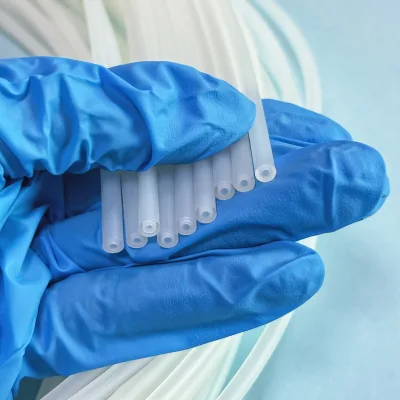
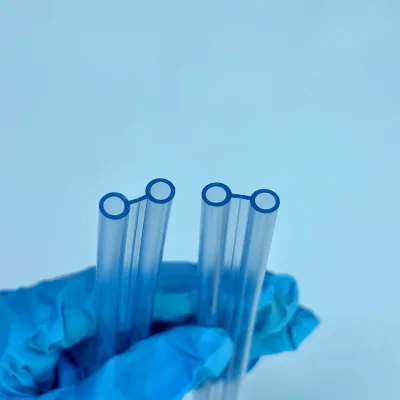
The transparent extruded medical PVC tube serves as a critical component in surgical and hospital applications, offering a balance of flexibility, clarity, and chemical resistance required for fluid transfer and catheter systems. Sourcing this specific material demands a rigorous understanding of the extrusion process, as the final product's performance relies heavily on the consistency of the raw resin and the precision of the manufacturing parameters. Buyers must recognize that while the material is classified as a thermoplastic pipe, its application in medical settings imposes stricter requirements on purity, biocompatibility, and dimensional stability than general industrial tubing.
Procurement decisions for this category hinge on verifying that the supplier's extrusion capabilities align with the specific viscosity and K-value requirements of the resin used. The observed market data indicates a range of models, including SG3, SG5, SG7, and SG8, which correspond to different molecular weights and processing characteristics. A buyer must ensure that the selected model number matches the intended mechanical properties, such as tensile strength and contraction percentage, to prevent failures during sterilization or clinical use.
Product Scope and Observed Listing Signals
The product scope for transparent extruded medical PVC tubes encompasses a variety of specifications, including different sizes like Sg3, Sg5, Sg7, and Sg8, as well as specialized models such as K66, K67, and K70. Listings often highlight customization options, allowing buyers to request specific dimensions, wall thicknesses, or packaging configurations to meet unique project needs. The availability of free samples is a common signal in the market, enabling procurement teams to physically inspect the clarity, flexibility, and surface finish before committing to larger orders.
Observations of listing signals reveal that packaging varies significantly, with options ranging from 25kg bags to 1-ton bulk shipments, or specialized cartons for smaller quantities. The shipping methods listed, including DHL, UPS, and FedEx, suggest that suppliers are equipped to handle both small sample shipments and large-scale logistics. However, buyers should note that while some listings indicate a minimum order quantity (MOQ) as low as 1 unit, others specify a standard MOQ of 10 tons, requiring careful negotiation to align order volume with budget and storage constraints.
Technical Specifications to Verify
Technical verification must begin with the resin properties, specifically the K-value and viscosity, which dictate the extrusion behavior and final mechanical strength. The observed data points to a K-value range of 66-68 and a viscosity between 107-118 Ml/G, parameters that are critical for achieving the desired tensile strength of 81-130 MPa. Buyers should request batch-specific test reports to confirm that the resin used in production falls within these ranges, as deviations can lead to inconsistent wall thickness or reduced durability in the final tube.
Dimensional and physical properties are equally critical, with a focus on the sieve ratio, impurity particle count, and whiteness after heat treatment. Specifications indicate a maximum of 16 impurity particles and a sieve ratio of 1.6% for 0.25mm particles, ensuring the material is free from defects that could compromise sterility. Additionally, the whiteness value must be at least 80 after exposure to 160°C for 10 minutes, a test that verifies the material's thermal stability and resistance to discoloration during sterilization processes.
Compliance and Safety Documentation
Compliance documentation is non-negotiable for medical-grade PVC, requiring suppliers to provide evidence of adherence to international safety standards such as CE, ISO, and RoHS. These certifications confirm that the manufacturing process and the final product meet rigorous requirements for chemical safety, environmental impact, and quality management systems. Buyers must verify that the certificates are current and issued by recognized bodies, ensuring that the PVC material does not contain prohibited phthalates or other harmful additives often associated with non-medical grades.
Safety documentation must also address the specific application context, such as hospital usage and surgical procedures, to ensure biocompatibility. The product standard listed as "PVC material" and the model number YY-026 suggest adherence to specific industry norms, but buyers should cross-reference these with the intended use case to confirm suitability. It is essential to obtain a Certificate of Analysis (CoA) for every batch, detailing the results of tests for volatiles, bulk density, and plasticizer absorption, which directly impact the tube's performance in fluid transfer applications.
Cost Drivers and Commercial Terms
Cost drivers for transparent extruded medical PVC tubes are primarily influenced by the raw material resin quality, the complexity of the extrusion process, and the level of customization required. The observed price range of $0.02 to $700 reflects the vast difference between small sample orders and bulk industrial shipments, as well as the variance in specifications like wall thickness and diameter. Buyers should anticipate that higher purity grades, such as those with lower impurity counts and stricter whiteness requirements, will command a premium over standard industrial grades.
Commercial terms play a significant role in the total cost of ownership, with trade terms ranging from EXW to DDP, each carrying different implications for logistics and risk. The delivery time of 25-30 days is a standard expectation, but this can fluctuate based on order volume and the supplier's current production capacity. Buyers must carefully evaluate the trade terms to understand who bears the cost and risk of shipping, especially when dealing with international suppliers from Jiangsu, China, and to ensure that the Incoterms align with their internal logistics capabilities.
Supplier Qualification and Quality Control
Supplier qualification requires a thorough assessment of their manufacturing capabilities, including their experience with extrusion services and their ability to maintain consistent quality control. The presence of OEM/ODM acceptance and customized logo options indicates a supplier's flexibility, but buyers must verify their track record in medical applications to ensure they understand the stringent requirements of the healthcare sector. A supplier's location in Jiangsu, China, is a common hub for PVC manufacturing, but proximity alone does not guarantee quality; on-site audits or third-party inspections are recommended to validate their production environment.
Quality control processes must be robust, covering everything from raw material intake to final packaging. The supplier should demonstrate a systematic approach to monitoring key parameters like the "Fish Eye" number, which must not exceed 20 units per 400cm², and the water absorption rate, which should remain between 1.5% and 3.5%. Buyers should request a detailed quality assurance plan that outlines how the supplier tests for tensile strength, contraction percentage, and other critical attributes to ensure that every batch meets the specified standards before shipment.
Long-Term Procurement Checks
Long-term procurement success depends on establishing a reliable supply chain that can consistently deliver high-quality products over time. Buyers should implement a system for regular performance reviews, tracking metrics such as on-time delivery, defect rates, and responsiveness to quality issues. The warranty period of 3 years mentioned in some listings suggests a supplier's confidence in their product, but this should be backed by a clear policy for handling returns or replacements in case of non-conformance.
Continuous verification of supplier compliance and material consistency is essential to mitigate risks associated with regulatory changes or supply chain disruptions. Buyers should maintain open communication channels with suppliers to stay informed about any updates to material standards or manufacturing processes. By fostering a collaborative relationship and conducting periodic audits, procurement teams can ensure that the transparent extruded medical PVC tubes remain a reliable component in their medical device portfolios, supporting patient safety and operational efficiency.
FAQs
What are the standard packaging options for transparent extruded medical pvc tube?
The standard packaging is 25kg per bag or 1 ton per unit. This format supports bulk industrial handling and reduces per-unit logistics costs. Buyers should confirm if custom packaging is required for specific storage or transport conditions.
What certifications are available for transparent extruded medical pvc tube?
Available certifications include CE, ISO, and RoHS. These certifications verify compliance with international safety and environmental standards. Buyers should request current certificates to ensure the product meets their specific regulatory requirements.
What is the typical lead time for transparent extruded medical pvc tube?
The typical delivery time is 25 to 30 days. This duration covers production and preparation for shipment. Actual lead times may vary based on order volume and current production schedules, so buyers should confirm specific dates before ordering.
Can transparent extruded medical pvc tube be customized for specific applications?
Yes, customization is available for this product. Buyers can request specific modifications to meet their application needs. OEM and ODM services are also acceptable, allowing for tailored branding and design adjustments during the manufacturing process.
What is the minimum order quantity for transparent extruded medical pvc tube?
The minimum order quantity is 10 tons. This threshold ensures efficient production runs and consistent quality control. Buyers with smaller requirements should inquire about alternative options or consolidated orders to meet this minimum.
What are the key physical specifications of transparent extruded medical pvc tube?
Key specifications include a K value of 66-68 and viscosity of 107-118 ml/g. The material has a whiteness of at least 80 after heat treatment. These properties ensure consistent performance and transparency for medical applications.
What trade terms are supported for transparent extruded medical pvc tube?
Supported trade terms include EXW, CFR, CIF, FOB, CIP, DDP, and DDU. This flexibility allows buyers to choose the logistics arrangement that best fits their supply chain. Buyers should select the term that aligns with their risk and cost preferences.